
The modern home is undergoing a remarkable transformation. What was once a simple living space is rapidly evolving into an intelligent, energy-efficient ecosystem. At the center of this shift are two groundbreaking technologies: solar energy and smart home automation. Together, they are reshaping how homeowners generate, manage, and consume electricity.
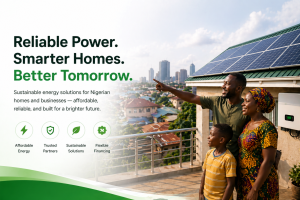
The Rise of Smart, Sustainable Living
Homeowners today are looking for more than convenience. They want lower energy bills, greater control over their homes, and environmentally responsible solutions. Solar power delivers clean, renewable energy directly from the sun, while smart home technology optimizes how that energy is used.
This combination creates a home that is not only more efficient but also more resilient, cost-effective, and sustainable.
What Solar Energy Powers the Smart Home
Solar panels convert sunlight into electricity that can power everything from lighting and appliances to heating and cooling systems. When integrated with smart home devices, this energy can be managed intelligently in real time.
For example, a smart home energy management system can:
- Automatically run high-energy appliances during peak solar production hours
- Store excess solar energy in home batteries for nighttime use
- Adjust heating and cooling settings based on occupancy and weather conditions
- Prioritize essential devices during grid outages
- Monitor real-time energy generation and consumption through mobile apps
This level of automation ensures that every kilowatt of solar energy is used as efficiently as possible.
Key Benefits of Combining Solar and Smart Technology
Lower Energy Costs
By generating electricity on-site and optimizing usage, homeowners can significantly reduce monthly utility bills. Smart devices further enhance savings by minimizing energy waste.
Enhanced Energy Independence
Solar panels paired with battery storage reduce reliance on the traditional power grid. This provides protection against rising electricity prices and power outages.
Improved Home Efficiency
Smart thermostats, lighting systems, and appliances work together to maximize the value of solar-generated electricity.
Environmental Impact
Using renewable energy lowers carbon emissions. Smart automation amplifies these benefits by reducing unnecessary consumption.
Greater Convenience and Control
Homeowners can monitor and control their energy systems remotely using smartphones or voice assistants.
Technologies Driving the Future
Several innovations are accelerating the adoption of solar-powered smart homes:
- Smart inverters that optimize solar energy conversion and distribution
- Home battery systems that store surplus energy for later use
- AI-driven energy management platforms that learn household usage patterns
- Smart EV chargers that charge vehicles when solar production is highest
- Connected appliances that automatically operate during optimal energy periods
These technologies are turning homes into intelligent energy hubs.
Real-World Applications
Imagine a home where your washing machine starts automatically when solar production peaks at midday. Your thermostat pre-cools the house before the evening heat arrives, using stored solar energy. At night, your battery powers your lights, security system, and essential appliances—all without drawing from the grid.
This is no longer a vision of the future. It is happening today.

Challenges to Consider
While the benefits are substantial, homeowners should evaluate:
- Initial installation costs
- Compatibility between solar systems and smart home devices
- Local regulations and utility policies
- Battery storage requirements
- Long-term maintenance needs
Fortunately, declining equipment costs and available incentives continue to make these systems more accessible.
What the Future Holds
As solar technology becomes more affordable and smart home systems become more sophisticated, the integration between the two will deepen. Future homes may feature:
- Predictive energy management powered by artificial intelligence
- Fully automated energy trading with the grid
- Vehicle-to-home power sharing
- Self-healing microgrids for neighborhood energy resilience
- Greater interoperability among all connected devices
The smart homes of tomorrow will not simply consume energy—they will actively produce, store, and manage it.
Final Thoughts
Solar energy and smart home technology are a natural pairing. Together, they offer homeowners a powerful way to reduce costs, increase comfort, and contribute to a more sustainable future.
As energy demands continue to rise and environmental concerns grow, solar-powered smart homes are poised to become the standard rather than the exception. The future of residential living is intelligent, efficient, and increasingly powered by the sun.